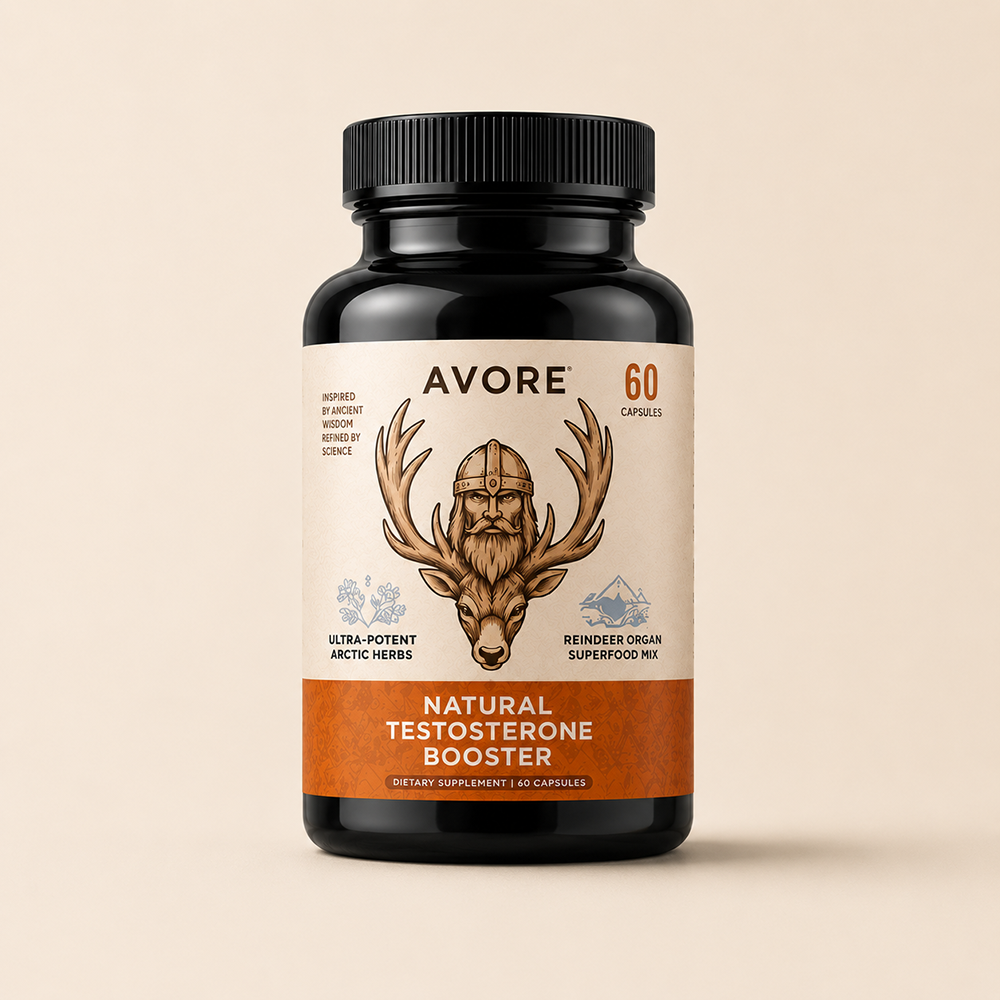
Why More Men Feel Different After 30 — And Rarely Talk About It
For years, conversations around health have focused on helping women understand hormonal changes, stress, and emotional wellbeing.
That's a good thing.
But somewhere along the way, many men were taught to ignore their own struggles.
Feeling tired all the time.
Losing motivation.
Recovering more slowly from workouts.
Not feeling as confident as they once did.
The truth is that many men begin experiencing gradual hormonal and lifestyle-related changes after the age of 30.
Research published in The Journal of Clinical Endocrinology & Metabolism has shown that testosterone levels can gradually decline with age, while stress, poor sleep, excess body fat, and modern lifestyles may further influence hormonal health.
Most men don't suddenly wake up one day feeling different.
The change is often subtle.
Less drive.
Less energy.
Less resilience.
And because the change happens slowly, many simply accept it as normal.
But accepting decline is not the same as supporting your health.
Healthy testosterone support is not about becoming someone else.
It's about helping your body maintain the vitality, strength, and confidence that support daily performance.
Key nutrients frequently studied for male hormonal health include:
• Zinc
• Vitamin D3
• Magnesium
• Ashwagandha
• Boron
Several studies have suggested these nutrients may play important roles in supporting healthy testosterone levels and overall male wellbeing when combined with proper sleep, exercise, and nutrition.
At AVORE, we believe men deserve the same attention, education, and support when it comes to long-term health.
Because feeling your best should never be something you simply outgrow.